


-
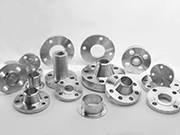
How Does Flange Sealing Work in Engineering Machinery
Flange sealing is used throughout engineering machinery and industrial piping systems to prevent oil, hydraulic fluid, water, gas and other media from escaping through a bolted connection. A flange does not create the seal by itself. Reliable sealing depends on the combined performance of the fla...Read more -
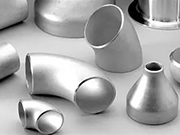
How to Choose Steel Pipe Fittings for Different Operating Conditions
Steel pipe fittings should be selected according to the actual operating conditions of the piping system, not simply by pipe diameter. Elbows, tees, reducers, caps, and other fittings may face different levels of pressure, temperature, corrosion, and mechanical stress depending on where they are ...Read more -
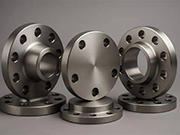
Flange Procurement Guide: What Should You Check Before Buying Flanges?
Buying a flange is not simply a matter of specifying the pipe size and quantity. A flange can look correct on paper and still be unsuitable if its material, pressure class, facing, dimensions, or applicable standard does not match the piping system. For industrial and project procurement, these m...Read more -
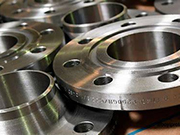
How to Select the Right Flange for Different Operating Conditions
Choosing a flange is not simply a matter of matching the pipe diameter. In an industrial piping system, the flange must work with the pipe, gasket, bolts, fluid, and operating conditions as one connection. Pressure, temperature, fluid characteristics, material compatibility, pipe size, installati...Read more -
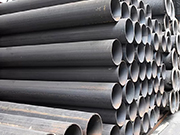
Carbon ERW Steel Pipe Manufacturing: What Production Details Affect Pipe Quality
Carbon ERW steel pipe is manufactured by forming carbon steel strip into a tubular shape and joining the longitudinal edges through electric resistance welding. The process is efficient, but consistent pipe quality depends on careful control at every stage—not only at the welding point. For proje...Read more -
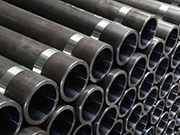
How to Maintain Carbon Steel Pipe After Installation in Engineering Projects
Carbon steel pipe is widely used in process piping, water systems, energy facilities, industrial plants, and infrastructure projects. Its performance after installation depends not only on the original pipe specification but also on how the piping system is inspected, protected, and maintained du...Read more -
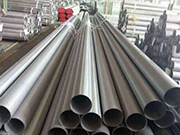
316 vs 316L Stainless Steel Pipe: What Is the Difference
316 and 316L stainless steel pipe are widely used for industrial piping where corrosion resistance, mechanical performance and reliable fabrication are required. Both are austenitic stainless steel grades containing chromium, nickel and molybdenum, but they are not identical. The most important d...Read more -
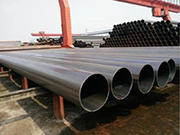
JCOE vs UOE LSAW Steel Pipe: Manufacturing Process and Applications
JCOE and UOE are two established forming routes used to manufacture LSAW (Longitudinal Submerged Arc Welded) steel pipe. Both start with steel plate and use longitudinal submerged arc welding, but the way the plate is formed before welding is different. That difference affects production flexibil...Read more -
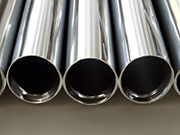
What Installation Details Matter for 316 Stainless Steel Pipe in Engineering Projects
Installing 316 stainless steel pipe in an engineering project requires more than connecting pipe sections according to a drawing. Material identification, handling, fit-up, welding, cleaning, support, inspection, and documentation all affect the final performance of the piping system. This is par...Read more -
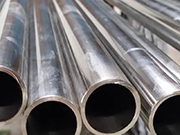
Why Is 316 Stainless Steel Pipe Used in Engineering Prefabrication
In an engineering prefabrication project, pipe selection is not based on material grade alone. The piping must also withstand the intended service environment, support accurate fabrication, maintain reliable weld quality, and arrive at the jobsite with the required documentation and traceability....Read more -
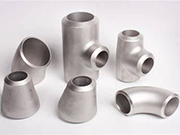
What Should Buyers Check When Purchasing Steel Tee, Reducer and Elbow
Buying a steel tee, steel reducer, or steel elbow is not simply a matter of confirming size and price. These fittings must match the connected pipe, piping design, service conditions, and applicable standards. A small specification error can lead to fit-up problems, additional fabrication work, o...Read more -
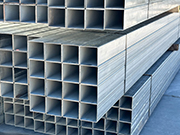
What Should You Consider When Using Square Steel Pipe in Industrial Projects
Square steel pipe, commonly specified as a square hollow section (SHS) in structural applications, is widely used for frames, columns, braces, platforms, equipment supports, pipe racks, and other fabricated steel structures. Its closed section provides useful strength and stiffness while allowing...Read more
China's most trusted manufacturers of Stainless Steel Pipes & Tubes.

- Email Support info@hunantube.com
- Call Support +86-0731-88672086