


-
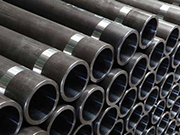
How Is Carbon Steel Pipe Quality Controlled During Production
Carbon steel pipe quality is not determined by a final inspection alone. From raw material selection to forming, heat treatment, testing, marking, and shipment, each production stage can affect the pipe’s performance in service. For industrial projects, a reliable carbon steel pipe quality contro...Read more -
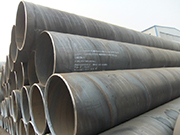
How Is SSAW Steel Pipe Quality Controlled
SSAW steel pipe, also known as spiral submerged arc welded steel pipe or SAWH pipe, is manufactured by forming steel strip into a helical shape and joining the spiral seam using submerged arc welding. Because the weld seam runs continuously along the pipe, quality control must cover not only the ...Read more -
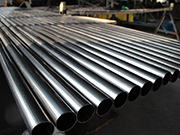
Why Is Boiler Steel Pipe Commonly Used in High-Temperature Projects
Boiler steel pipe is widely used in boilers, heat exchangers, steam systems, superheaters, and other thermal equipment where steel tubes must operate under elevated temperatures and pressures. Unlike general-purpose steel pipe, boiler tube materials are selected with greater attention to high-tem...Read more -
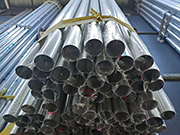
304 vs. 316 Stainless Steel Pipe: Which Applications Suit Each Grade
304 and 316 are two of the most widely specified austenitic stainless steel grades for industrial piping. Both provide good corrosion resistance, toughness, weldability, and fabrication characteristics, but they are not interchangeable in every service environment. The main difference is that 316...Read more -
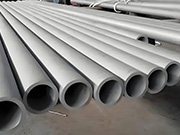
What Are the Applications and Key Features of 316 Stainless Steel Pipe
When a piping system operates in a corrosive or demanding environment, material selection becomes an important part of project design. 316 stainless steel pipe is widely specified for applications where corrosion resistance, durability, and reliable mechanical performance are required. Its main a...Read more -
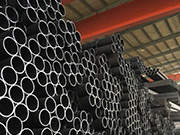
What Are the Application Characteristics of Seamless Steel Pipe in Engineering Projects
Seamless steel pipe is widely used in engineering projects where pressure, temperature, mechanical performance, and reliability are important. Unlike welded pipe, seamless pipe is manufactured without a longitudinal welded seam, which makes its structure particularly suitable for certain demandin...Read more -
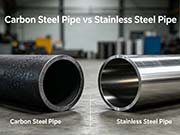
Carbon Steel Pipe vs. Stainless Steel Pipe: Which Is Right for Your Project?
Carbon steel pipe and stainless steel pipe are both widely used in industrial piping, but they are designed for different service conditions. Choosing between them is not simply a question of which material is stronger or more durable. The right choice depends on corrosion exposure, operating tem...Read more -
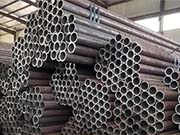
Why Is Carbon Steel Pipe Widely Used in Industrial Projects
Carbon steel pipe remains one of the most commonly specified piping materials for industrial construction, energy, infrastructure, and fluid transportation projects. Its popularity is not based on a single property. Instead, engineers and procurement teams often select carbon steel because it off...Read more -
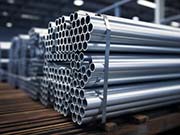
How to Evaluate Stainless Steel Pipe Quality: Inspection Standards, Testing, and Manufacturing Process
Stainless steel pipe is widely used in chemical processing, oil and gas, food manufacturing, pharmaceutical facilities, marine engineering, and construction. Because these applications often involve high pressure, corrosive media, or strict hygiene requirements, consistent product quality is esse...Read more -
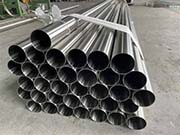
What Is 316 Stainless Steel Pipe? Properties, Applications, and Manufacturing Process
Selecting the right stainless steel pipe is essential for projects exposed to corrosive environments, high humidity, or aggressive chemicals. Among the most widely used stainless steel grades, 316 stainless steel pipe is recognized for its excellent corrosion resistance, reliable mechanical stren...Read more -
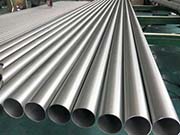
Why Choose Stainless Steel Pipes for Water Treatment Systems
Clean and reliable water treatment depends on more than advanced filtration equipment. The piping system also plays a critical role in maintaining water quality, minimizing maintenance, and ensuring long-term operational reliability. Among the available piping materials, stainless steel pipes a...Read more -
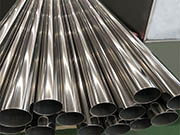
304 vs. 316L Thin-Walled Stainless Steel Pipes: Which Material Should You Choose
Selecting the right material is one of the most important decisions when specifying thin-walled stainless steel pipes. Among the available grades, 304 and 316L stainless steel are the two most widely used because they provide an excellent balance of corrosion resistance, mechanical strength, and ...Read more
China's most trusted manufacturers of Stainless Steel Pipes & Tubes.

- Email Support info@hunantube.com
- Call Support +86-0731-88672086