


-
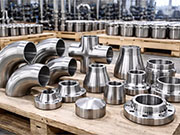
How to Prevent Corrosion in Stainless Steel Pipe Fittings
Stainless steel pipe fittings are widely used in oil and gas, petrochemical, chemical processing, water treatment, and industrial piping systems. Although stainless steel offers good corrosion resistance, it is not immune to corrosion under unsuitable operating or fabrication conditions. Elbows, ...Read more -
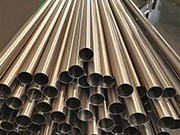
How to Choose 304 Stainless Steel Pipe Wall Thickness for Different Applications
Choosing the correct wall thickness is essential when specifying 304 stainless steel pipe for industrial projects. An undersized wall may fail to meet pressure or mechanical requirements, while excessive thickness increases material weight, cost, and installation effort. The correct selection dep...Read more -
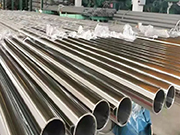
Why Does 304 Stainless Steel Pipe Undergo Passivation Treatment
304 stainless steel pipe is widely used in industrial piping, food processing equipment, chemical facilities, and general engineering projects. Its chromium content allows a thin protective passive film to form naturally on the surface, helping the material resist corrosion. However, manufacturin...Read more -
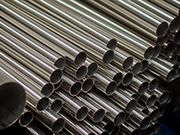
Why Is 304 Stainless Steel Pipe Widely Used in Industrial Projects
304 stainless steel pipe is widely specified for industrial piping, process equipment, food processing facilities, and general engineering applications. Its popularity comes from a practical combination of corrosion resistance, formability, weldability, and broad availability. However, choosing a...Read more -
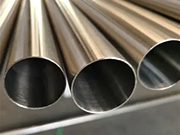
What Factors Affect the Quality of 304 Stainless Steel Pipe
304 stainless steel pipe is widely used in industrial piping, equipment manufacturing, food processing, and general engineering applications. However, specifying Grade 304 alone does not guarantee that a pipe will meet project requirements. Its quality also depends on manufacturing workmanship, d...Read more -
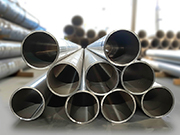
Why Does 304 Stainless Steel Pipe Discolor at High Temperatures
304 stainless steel pipe may develop yellow, brown, purple, or blue discoloration after welding, heat treatment, or other high-temperature exposure. This appearance is commonly called heat tint when associated with welding or thermal oxidation. Although the color change may look like a cosmetic d...Read more -
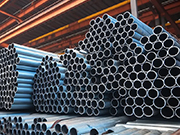
What Factors Affect the Quality of 304 Stainless Steel Pipes
304 stainless steel pipe is widely used in industrial piping, chemical processing, food equipment, and construction projects because of its corrosion resistance, weldability, and mechanical properties. However, specifying Grade 304 alone does not guarantee that a pipe will meet the requirements o...Read more -
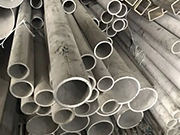
Why Does 304 Stainless Steel Pipe Crack? Common Causes and Prevention
304 stainless steel pipe is widely used in industrial piping, food processing, water systems, and general engineering because it offers good corrosion resistance, formability, and weldability. However, it can still develop cracks during fabrication or service. The cause may involve welding, exces...Read more -
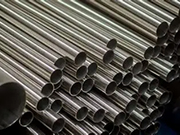
Why Is 304 Stainless Steel Pipe Rust-Resistant and Corrosion-Resistant
304 stainless steel pipe is widely used in industrial equipment, architectural structures, food-processing facilities, and general piping systems. Its combination of corrosion resistance, formability, and weldability makes it a practical choice for many applications. However, stainless steel is n...Read more -
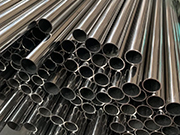
Does Brushed 304 Stainless Steel Pipe Still Resist Rust
Brushed 304 stainless steel pipe is commonly used for decorative railings, architectural structures, furniture frames, and general industrial applications. Its directional satin finish gives the surface a consistent appearance and helps make minor scratches less noticeable than on some highly pol...Read more -
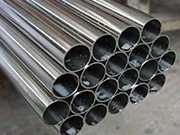
How to Choose High-Quality 316 Stainless Steel Pipe
Choosing the right 316 stainless steel pipe involves more than checking the grade or comparing prices. For industrial piping, chemical processing, marine-related projects, and other demanding applications, buyers need to consider service conditions, manufacturing method, dimensional requirements,...Read more -
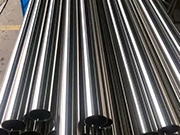
Why Do 316 Stainless Steel Pipe Surface Requirements Vary by Environment
316 stainless steel pipe is widely used in industrial processing, marine installations, chemical plants and food production. Its chromium-rich passive film provides corrosion resistance, while molybdenum improves resistance to localized corrosion in many chloride-containing environments. However,...Read more
China's most trusted manufacturers of Stainless Steel Pipes & Tubes.

- Email Support info@hunantube.com
- Call Support +86-0731-88672086