


-
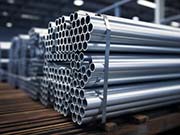
How to Evaluate Stainless Steel Pipe Quality: Inspection Standards, Testing, and Manufacturing Process
Stainless steel pipe is widely used in chemical processing, oil and gas, food manufacturing, pharmaceutical facilities, marine engineering, and construction. Because these applications often involve high pressure, corrosive media, or strict hygiene requirements, consistent product quality is esse...Read more -
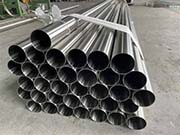
What Is 316 Stainless Steel Pipe? Properties, Applications, and Manufacturing Process
Selecting the right stainless steel pipe is essential for projects exposed to corrosive environments, high humidity, or aggressive chemicals. Among the most widely used stainless steel grades, 316 stainless steel pipe is recognized for its excellent corrosion resistance, reliable mechanical stren...Read more -
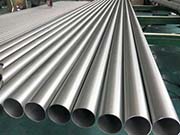
Why Choose Stainless Steel Pipes for Water Treatment Systems
Clean and reliable water treatment depends on more than advanced filtration equipment. The piping system also plays a critical role in maintaining water quality, minimizing maintenance, and ensuring long-term operational reliability. Among the available piping materials, stainless steel pipes a...Read more -
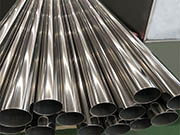
304 vs. 316L Thin-Walled Stainless Steel Pipes: Which Material Should You Choose
Selecting the right material is one of the most important decisions when specifying thin-walled stainless steel pipes. Among the available grades, 304 and 316L stainless steel are the two most widely used because they provide an excellent balance of corrosion resistance, mechanical strength, and ...Read more -
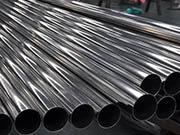
Why Do Thin-Walled Stainless Steel Pipes Oxidize? Causes, Prevention, and Maintenance Guide
Thin-walled stainless steel pipes are widely used in food processing, pharmaceutical manufacturing, water treatment, architecture, and industrial piping because of their excellent corrosion resistance. However, stainless steel is not completely immune to oxidation. Under certain manufacturing, en...Read more -
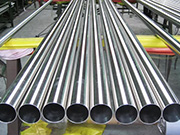
Why Does 316L Stainless Steel Pipe Corrode? Causes, Repair Methods, and Prevention Guide
316L stainless steel pipes are widely used in chemical processing, pharmaceuticals, food production, marine engineering, and industrial piping because of their excellent corrosion resistance and mechanical performance. However, corrosion resistance does not mean complete immunity. Under unsuitabl...Read more -
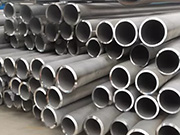
Can Low-Temperature Carburizing Improve 304 Stainless Steel Precision Tubes Without Reducing Corrosion Resistance
For manufacturers using 304 stainless steel precision tubes, achieving higher surface hardness without sacrificing corrosion resistance has long been a common engineering challenge. Traditional carburizing can significantly improve wear resistance, but it often compromises the stainless steelR...Read more -
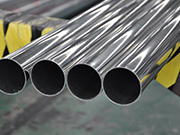
How to Inspect the Quality of Stainless Steel Pipes Before Purchase? A Practical Guide for Buyers
Selecting high-quality stainless steel pipes is essential for ensuring long-term reliability, safety, and project performance. Whether the pipes are intended for industrial processing, construction, food production, or petrochemical applications, improper material verification or inadequate inspe...Read more -
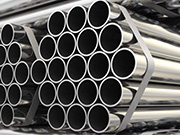
Why Is 316 Stainless Steel More Corrosion-Resistant Than 304 Stainless Steel
When selecting stainless steel pipes for industrial projects, one of the most common questions is whether 304 or 316 stainless steel is the better choice. While both grades offer excellent corrosion resistance and mechanical performance, 316 stainless steel is generally preferred in more aggressi...Read more -
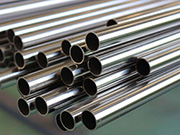
Why Is Bright Annealing Important for Stainless Steel Pipes? Benefits, Process, and Applications
When sourcing stainless steel pipes, buyers often encounter the term Bright Annealed (BA). Although bright annealed pipes generally cost more than conventionally annealed products, they offer advantages that can significantly improve performance and reduce downstream processing. For industries su...Read more -
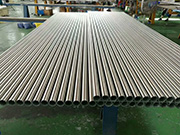
Why Is Metallographic Testing Important for Precision Stainless Steel Tubes
Precision stainless steel tubes are widely used in industries where corrosion resistance, dimensional accuracy, and long-term reliability are critical. Applications such as hydraulic systems, heat exchangers, instrumentation, food processing, and chemical plants often require tubing that performs...Read more -
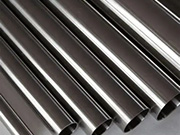
How to Weld Thin-Walled Stainless Steel Pipe Without Burn-Through
Thin-walled stainless steel pipes are widely used in food processing, pharmaceuticals, chemical plants, heat exchangers, and precision fluid systems because of their excellent corrosion resistance and clean internal surfaces. However, their relatively thin wall thickness makes welding more demand...Read more
China's most trusted manufacturers of Stainless Steel Pipes & Tubes.

- Email Support info@hunantube.com
- Call Support +86-0731-88672086